
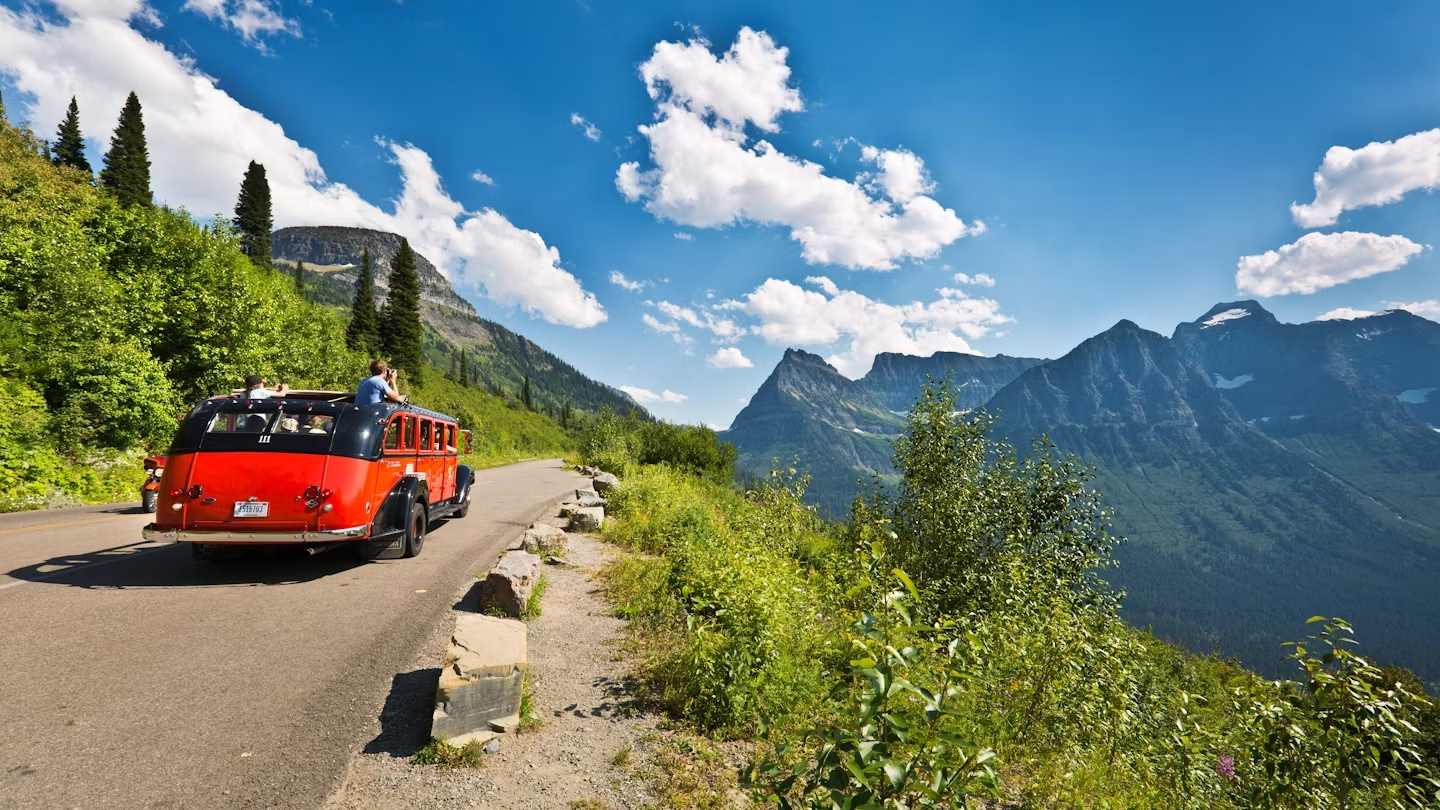
Road-tripping through America’s national parks has become the new travel obsession, overtaking Europe’s famed city breaks. In 2024, U.S. parks saw over 325 million visits, as travelers crave open roads, stunning landscapes, and the freedom to explore their backyard. This shift reveals deeper changes in what Americans want from travel—authenticity, affordability, and connection to nature.
The Great Travel Shift: From Paris Cafés to Pine-Scented Roads
For decades, the dream vacation meant sipping espresso beneath the Eiffel Tower or strolling Rome’s cobblestone streets. But in 2025, that dream is shifting gears. The American traveler is swapping passport stamps for park passes.
According to the National Park Service, recreation visits hit 325.5 million in 2023, a 4% increase from the year before. Domestic road trips are surging too, with Americans logging 1.9 billion road trips in 2024 (source: Road Genius).
Why the sudden change? Because travelers are realizing that freedom, space, and self-discovery often lie closer to home than a crowded European city.
Why America’s National Parks Are Outshining Europe
1. Freedom to Explore on Your Own Terms
A road trip through America’s national parks gives you control that no European rail pass can match. You decide when to leave, where to stop, and how long to stay. From the Pacific Coast Highway to Route 66, every mile offers a new landscape, not another museum line.
2. Nature Over Noise
Europe offers history and art—but few things compare to watching a Yellowstone geyser erupt or standing beneath the towering redwoods of California. From Denali’s glaciers to Zion’s red canyons, the scale of America’s wild spaces simply dwarfs most European destinations.
3. Better Value for Your Travel Dollar
European hotels and airfare have climbed sharply since 2022. Meanwhile, domestic travelers can drive, camp, or stay in affordable lodges. Road Genius data shows that a week-long U.S. road trip averages 40% less cost than a comparable week in Europe.
4. Wellness and Mindful Travel
More travelers now view vacations as a chance to recharge—not just see sights. Hiking trails, clean air, starry skies—these are the real luxury experiences. National parks provide natural therapy without the spa markup.
5. Social Media and the “Vanlife” Movement
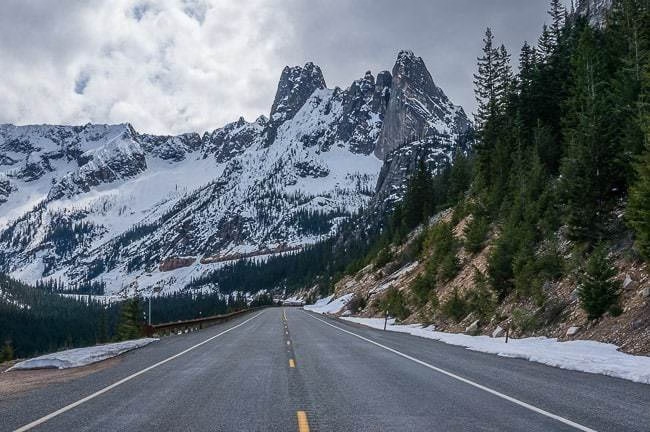
Platforms like Instagram and TikTok have glamorized life on the road—campers, jeeps, and scenic overlook selfies. “Vanlife” and digital nomad culture have turned road trips into a lifestyle, especially among millennials and Gen Z.
Real-World Example: The Johnson Family’s 10-Day Park Loop
Take the Johnsons, a Denver-based family of four who usually summered in Europe. In 2024, they tried a 10-day national park road trip instead.
- Day 1–2: Grand Teton National Park – Sunrise kayaking on Jackson Lake.
- Day 3: Yellowstone – Watching Old Faithful erupt under blue skies.
- Day 4: Glacier National Park – Hiking Hidden Lake Trail.
- Day 5–6: Olympic National Park – Beachcombing and rainforest trails.
- Day 7: Crater Lake – Deep-blue crater views.
- Day 8–10: Redwood National and State Parks – Driving among 2,000-year-old trees.
Their total cost? Roughly $450 per night including SUV rental and lodging—half what their previous Europe trip cost. “We saw more stars in one night than in all our years of travel combined,” they said.
The Forces Behind the Trend
- Overtourism in Europe:
Major cities like Venice, Paris, and Barcelona are struggling with visitor overload. In contrast, the U.S. offers nearly limitless space. - Flight Fatigue:
Long flights, jet lag, and rising airfare make domestic trips far easier. - Post-Pandemic Habits:
The COVID era taught travelers the value of local exploration and road flexibility. - Infrastructure Upgrades:
National parks are investing in roads, visitor centers, and EV charging stations, making access smoother than ever. - Cultural Shift:
Travelers now seek purpose-driven experiences—wellness, sustainability, and reconnection with nature over crowded tours.
How to Plan the Ultimate National Parks Road Trip
Planning a U.S. national parks road trip isn’t just about directions—it’s about rhythm and intention.
Follow these tips:
- Pick a region – West (Utah’s Mighty 5), Pacific Coast, Rockies, or Alaska.
- Map realistic driving days – 4–5 hours daily max keeps it fun, not exhausting.
- Book permits early – Yosemite, Zion, and Arches often require timed-entry reservations.
- Budget smartly – Expect $40–$70/day in fuel, $100–$200/night lodging (or less for camping).
- Travel in shoulder season – April-May or September-October = fewer crowds.
- Embrace spontaneity – Detours often lead to the best finds—small towns, diners, or scenic overlooks.
- Respect the land – Follow Leave No Trace principles.
The Cost Advantage: Europe vs. America
| Expense Type | U.S. Road Trip | European City Break |
| Airfare | $0–$400 (domestic) | $800–$1,200 (intl.) |
| Accommodation | $80–$150/night | $150–$300/night |
| Meals | $40/day | $80–$100/day |
| Transport | $50–$70/day (fuel) | $100/day (trains, taxis) |
| Total (1 week) | ~$1,800 | ~$3,200+ |
Domestic wins for both cost and flexibility.
The Sustainability Perspective
A growing number of travelers view road-tripping as more eco-friendly—especially with hybrid or electric vehicles. Several parks (like Zion and Yosemite) now feature EV charging stations and shuttle systems to reduce emissions.
Sustainable road tripping tips:
- Use refillable bottles and local produce.
- Camp or stay in eco-lodges.
- Stick to marked trails.
- Offset your carbon footprint with reforestation programs.
The Experience Factor
A road trip isn’t just a journey; it’s an immersion in the American spirit—freedom, resilience, discovery. Unlike Europe’s well-trod tourist paths, America’s wild spaces still feel raw, unpredictable, and profoundly personal.
Driving through Bryce Canyon’s orange cliffs or waking up beside Lake Tahoe’s mirrored water delivers something no city square can replicate—a sense of wonder.
Trending FAQs: What Travelers Are Asking
1. Why are more Americans choosing national parks over Europe in 2025?
Because it’s cheaper, closer, more flexible, and taps into wellness and adventure trends.
2. What are the best national parks for a first-time road trip?
Start with Yellowstone, Zion, or Yosemite—each iconic, accessible, and unforgettable.
3. How much should I budget for a national parks road trip?
Expect around $1,800–$2,500 per week depending on accommodation style and route.
4. Are U.S. national parks overcrowded now?
Major ones can be busy, but off-season or lesser-known parks like Great Basin or Congaree are peaceful alternatives.
5. What about safety on road trips?
Parks are generally safe; just prepare for wildlife encounters, check weather, and keep fuel topped up.
6. Can road trips compete with Europe’s cultural depth?
Absolutely—they offer a different kind of culture: Native American history, Americana towns, and natural heritage.
7. What’s the best time to visit national parks?
Spring and autumn deliver mild weather and smaller crowds.
8. Should I rent an RV or a car?
RVs offer comfort and convenience; cars give flexibility and lower fuel costs.
9. How can I make my road trip more sustainable?
Drive hybrids, pack light, avoid single-use plastics, and support local businesses.
10. Will this trend last beyond 2025?
All signs point to yes—domestic, nature-based travel aligns perfectly with global sustainability goals and evolving traveler values.
Final Thoughts
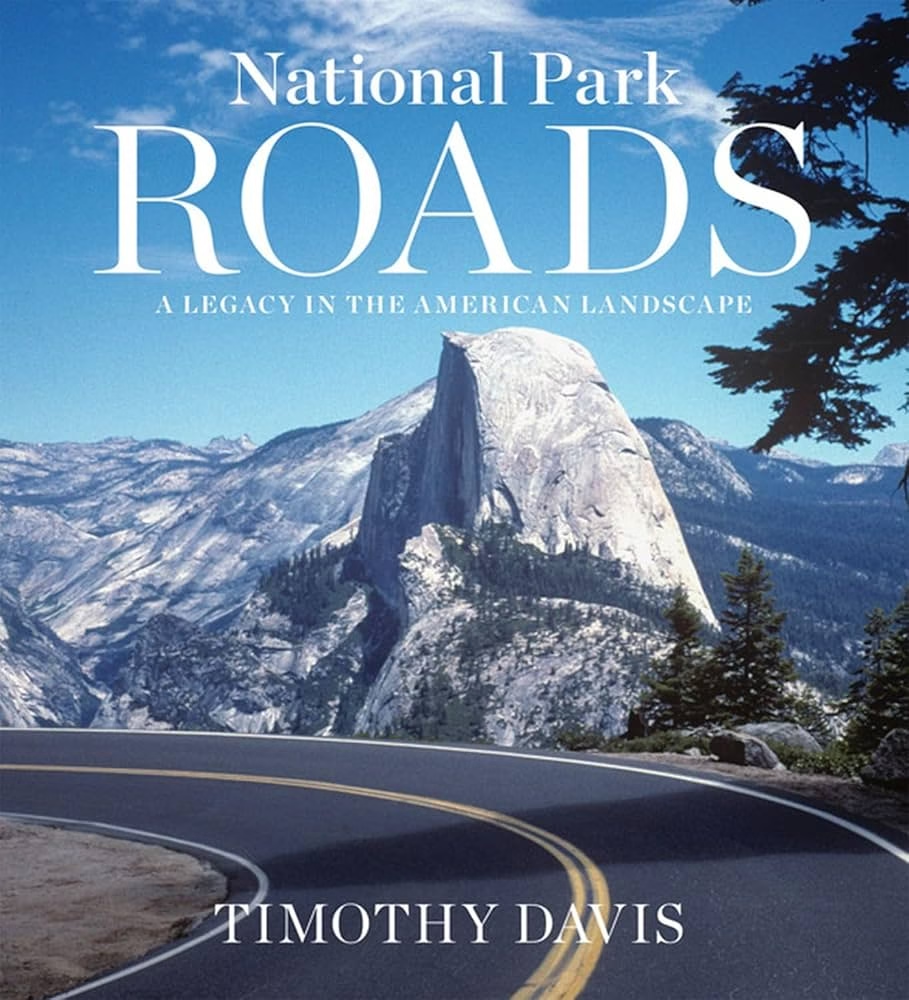
The modern traveler isn’t chasing postcards—they’re chasing peace, perspective, and connection. Road-tripping through America’s national parks delivers all three.
In an age when crowds flood European cities, the sound of your tires on a quiet park road feels revolutionary. Whether it’s watching the sunrise over Grand Canyon or camping under Yosemite’s granite giants, the new “luxury” is freedom—and it’s right here at home.
So before you renew your passport for Paris, maybe pack a cooler, cue up a playlist, and rediscover the road that runs through your own backyard.