Gourmet food festivals are rapidly overtaking music festivals as the most in-demand cultural events in America. Tickets are selling out faster, travel is being planned around them, and chefs are becoming headliners. This in-depth guide explains why food festivals are booming, how they outperform music festivals in value and experience, and what this shift reveals about modern entertainment culture.
Introduction: When Chefs Replaced Bands as the Main Attraction
Not long ago, summer calendars revolved around music festivals. Fans followed bands across states, camped for days, and paid premium prices for tickets, travel, and merch.
Today, something unexpected is happening.
In cities like Napa, Austin, Miami, New York, and Charleston, gourmet food festivals are selling out in minutes—sometimes faster than music festivals featuring global superstars.
Instead of crowds rushing toward stages, you’ll see:
- Long lines for tasting menus
- Phones raised over plates, not amplifiers
- Chefs signing cookbooks instead of autographs
- Attendees planning schedules around flavor, not setlists
This isn’t a fad. It’s a cultural shift.
Gourmet food festivals are becoming the new music festivals, and the reasons go far beyond hype.
What Is a Gourmet Food Festival?
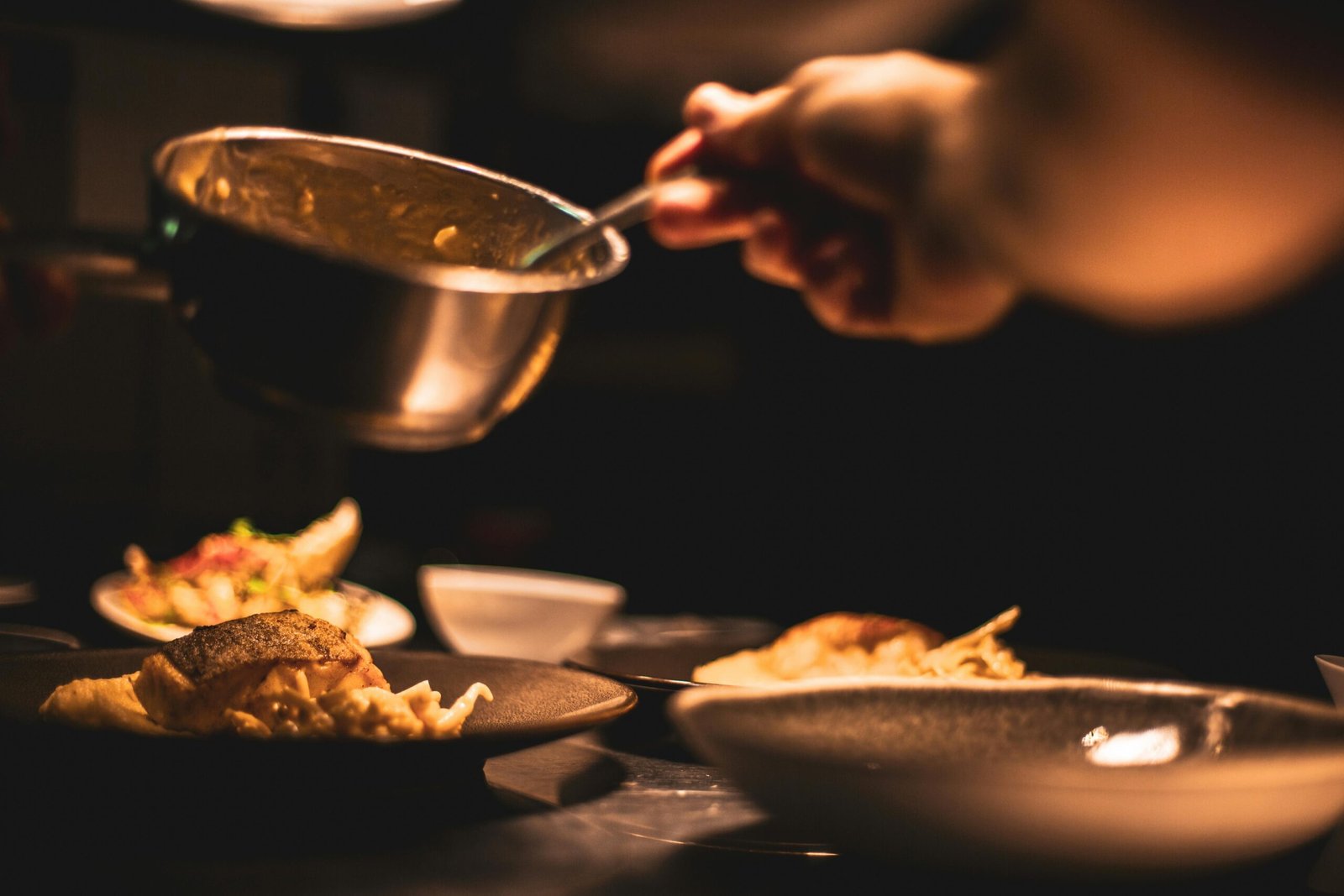
A gourmet food festival is not a county fair or a casual food truck gathering. These events are curated, chef-driven experiences that blend food, drink, education, and entertainment.
Modern gourmet festivals typically feature:
- Celebrity and award-winning chefs
- Curated tasting menus and pairings
- Wine, cocktail, and spirits programming
- Live cooking demonstrations
- Panels, workshops, and immersive experiences
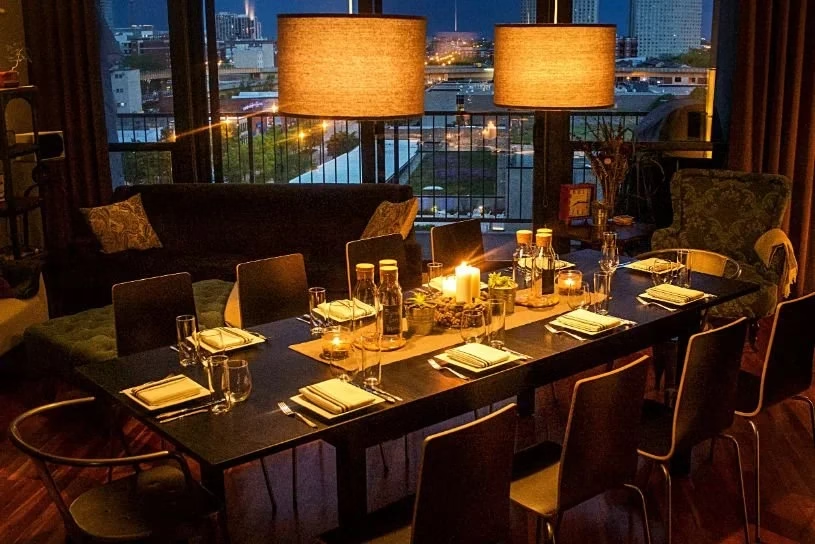
They are designed to feel premium, intentional, and memorable—not crowded or chaotic.
In many ways, they resemble cultural festivals more than food events.
Why Are Gourmet Food Festivals Exploding in Popularity?
The rapid rise of gourmet food festivals is the result of multiple cultural forces converging at once.
Food Became Mainstream Entertainment
Streaming platforms, social media, and food-focused content transformed chefs into celebrities. Cooking shows, documentaries, and viral clips made food part of everyday entertainment.
For many Americans, seeing a favorite chef cook live now feels as exciting as seeing a favorite band perform.
Experiences Replaced Things
According to consumer behavior studies frequently cited by platforms like Eventbrite and McKinsey, Millennials and Gen Z prioritize experiences over possessions.
A food festival offers something rare:
An experience you can taste, remember, and share.
Music Festivals Lost Some Appeal
Music festivals grew bigger—and more exhausting.
Common complaints now include:
- Sky-high ticket prices
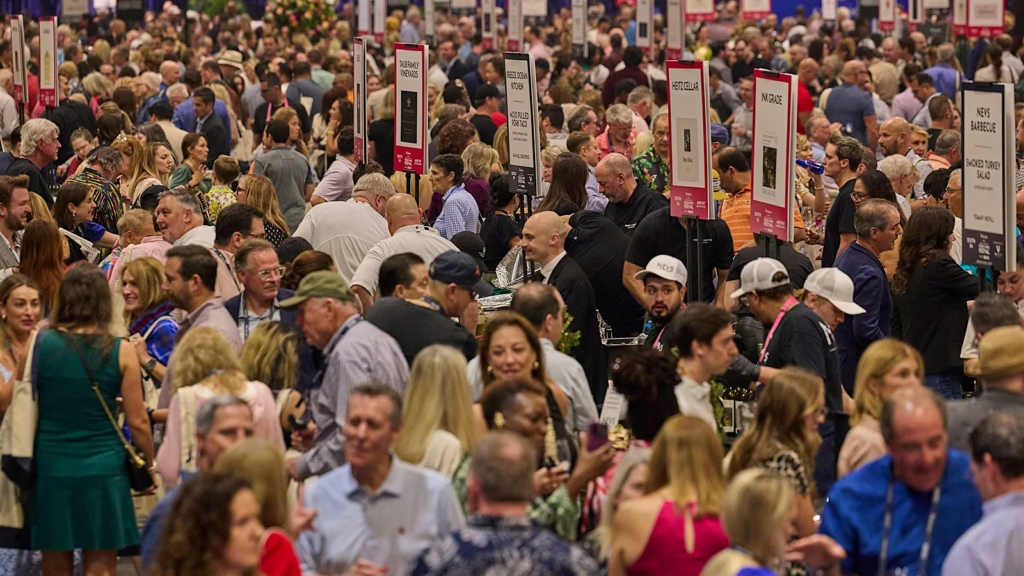
- Overcrowding
- Long waits for basic amenities
- Minimal artist interaction
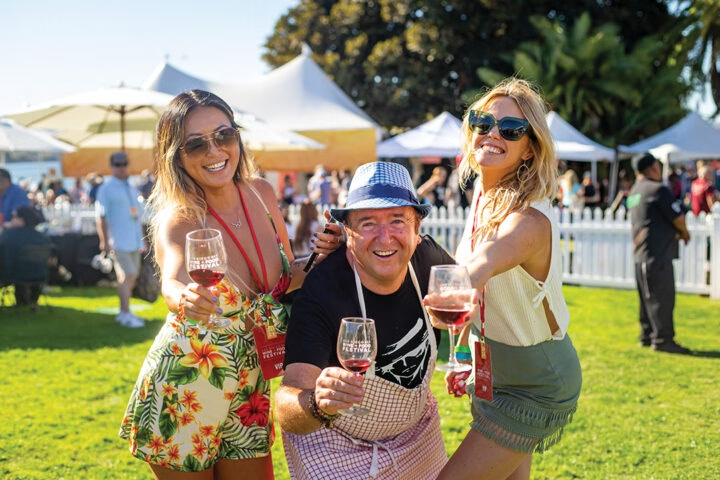
Gourmet food festivals feel more relaxed, rewarding, and human by comparison.
Real-World Proof: Food Festivals Outselling Music Events
Look at what’s happening across the U.S.:
- South Beach Wine & Food Festival sells out premium events months in advance
- Austin Food + Wine Festival regularly sells out faster than nearby concerts
- NYC Wine & Food Festival draws international travelers planning entire trips around it
- BottleRock Napa Valley, once music-first, now markets food and wine as a primary attraction
In many cases, attendees buy tickets specifically for the food programming, not the music.
Food has moved from supporting act to headline event.
Why Food Festivals Feel Better Than Music Festivals
This shift isn’t just about novelty. Gourmet food festivals solve many of the frustrations people associate with music festivals.
Physical Comfort Matters
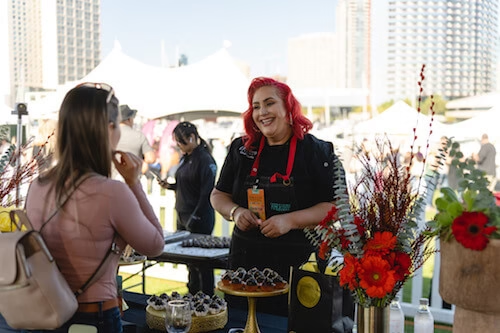
Food festivals don’t require standing all day, fighting crowds for sightlines, or enduring extreme volume. Attendees can move freely, sit down, and pace themselves.
Interaction Beats Distance
At a gourmet food festival, you can:
- Talk directly with chefs
- Ask questions about dishes
- Watch food being prepared
- Learn techniques you can use later
That access feels personal—and luxurious.
Better Value Per Dollar
Instead of paying hundreds of dollars for a few performances, food festival tickets often include:
- Dozens of tastings
- Drinks and pairings
- Educational sessions
- Multiple forms of entertainment
The value feels immediate and tangible.
Social Media Turned Food Festivals Into Cultural Currency
Food is inherently shareable.
A beautifully plated dish photographs better than a dark concert stage. A tasting experience tells a story. A chef interaction feels personal and authentic.
Instagram and TikTok amplified this effect, turning food festivals into status experiences.
Attending isn’t just fun—it’s visible.
Chefs Are the New Headliners
Chefs now command fan bases once reserved for musicians.
Many have:
- Millions of social followers
- Bestselling books
- TV shows and streaming deals
- Viral moments that reach global audiences
When a chef headlines a festival, fans travel.
Add food influencers and creators into the mix, and demand spikes even higher.
This is one reason tickets sell out so quickly—fans don’t want to miss a limited, in-person experience.
Why Americans Are Searching for Food Festivals Like Never Before
Search data shows rising interest in questions such as:
- What are the best food festivals in the U.S.?
- Are gourmet food festivals worth it?
- Why are food festivals selling out so fast?
The curiosity reflects a deeper change in how Americans define entertainment.
Food festivals combine travel, culture, learning, indulgence, and social connection—all in one place.
Food Festivals as Travel Anchors
Increasingly, people plan vacations around food festivals, not destinations.
Tourism boards understand this shift well.
According to economic impact studies published by local governments, major gourmet food festivals generate:
- Hotel sell-outs
- Restaurant spillover traffic
- Airline demand spikes
- Millions in local revenue
Food festivals now function as economic engines, much like major sporting events or music tours.
What Music Festivals Can’t Replicate
Music creates moments. Food creates memories tied to the senses.
Taste and smell are uniquely powerful. People remember flavors more vividly than sounds. That emotional imprint keeps attendees coming back year after year.
Music preferences change.
Everyone eats.
That universality gives food festivals a built-in advantage.
Are Gourmet Food Festivals Just a Trend?
All indicators suggest they’re not.
Event platforms and industry analysts report steady growth in:
- Ticket demand
- Sponsorship investment
- Premium experience sales
Unlike trends driven by novelty, food festivals are anchored in something permanent: human appetite.
As long as people value food, these events will thrive.
Challenges Facing Gourmet Food Festivals
The boom isn’t without issues.
Common criticisms include:
- Rising ticket prices
- Overcrowding at popular tastings
- Brand sponsorship diluting authenticity
The most successful festivals address these by:
- Capping attendance
- Curating experiences carefully
- Prioritizing quality over scale
Intentional design separates great festivals from forgettable ones.
Practical Takeaways for Attendees
If you’re planning to attend a gourmet food festival:
- Buy tickets early—sell-outs are real
- Prioritize curated tastings and demos
- Pace yourself
- Talk to chefs and vendors
The experience rewards curiosity and engagement.
Practical Takeaways for Event Organizers
For organizers, the lesson is clear:
- Food is no longer secondary entertainment
- Experience design matters more than size
- Curation beats volume
The best festivals feel thoughtful, not overwhelming.
Frequently Asked Questions (FAQ)
1. Why are gourmet food festivals becoming so popular?
Ans. They combine entertainment, culture, education, and indulgence into one immersive experience.
2. Are food festivals really selling out faster than music festivals?
Ans. In many cities, yes—especially premium tastings and chef-led events.
3. What makes gourmet food festivals different from food fairs?
Ans. Gourmet festivals are curated, chef-driven, and experience-focused rather than casual or generic.
4. Are gourmet food festivals worth the cost?
Ans. Many attendees say yes due to inclusive tastings, chef access, and overall value.
5. Who typically attends gourmet food festivals?
Ans. Millennials, Gen X professionals, travelers, and experience-driven consumers.
6. Do gourmet food festivals attract tourists?
Ans. Yes. Many now function as destination events that drive travel and hotel demand.
7. Are celebrity chefs a major draw?
Ans. Absolutely. Chef appearances often drive ticket demand as much as musical headliners.
8. Will music festivals lose relevance?
Ans. No, but they are no longer the only dominant cultural events.
9. Are food festivals family-friendly?
Ans. Many offer diverse programming, though some premium events are adult-focused.
10. Will gourmet food festivals continue to grow?
Ans. All signs suggest continued growth as food culture remains central to entertainment.
Final Thoughts: Food Didn’t Replace Music — It Expanded Entertainment
Gourmet food festivals aren’t killing music festivals.
They’re redefining what people want from live experiences.
In an age where audiences crave connection, meaning, and tangible enjoyment, food delivers something music alone cannot: participation through the senses.
That’s why tickets disappear so quickly.
Food didn’t just join the spotlight.
It became a headliner.