The Camino de Santiago has surpassed the Appalachian Trail in global popularity by offering something modern travelers crave: accessibility, cultural immersion, emotional meaning, and flexibility. Unlike the all-or-nothing challenge of the Appalachian Trail, the Camino welcomes beginners and seasoned walkers alike, making it one of the fastest-growing long-distance walking experiences among Americans.
Why Americans Are Rethinking the Appalachian Trail
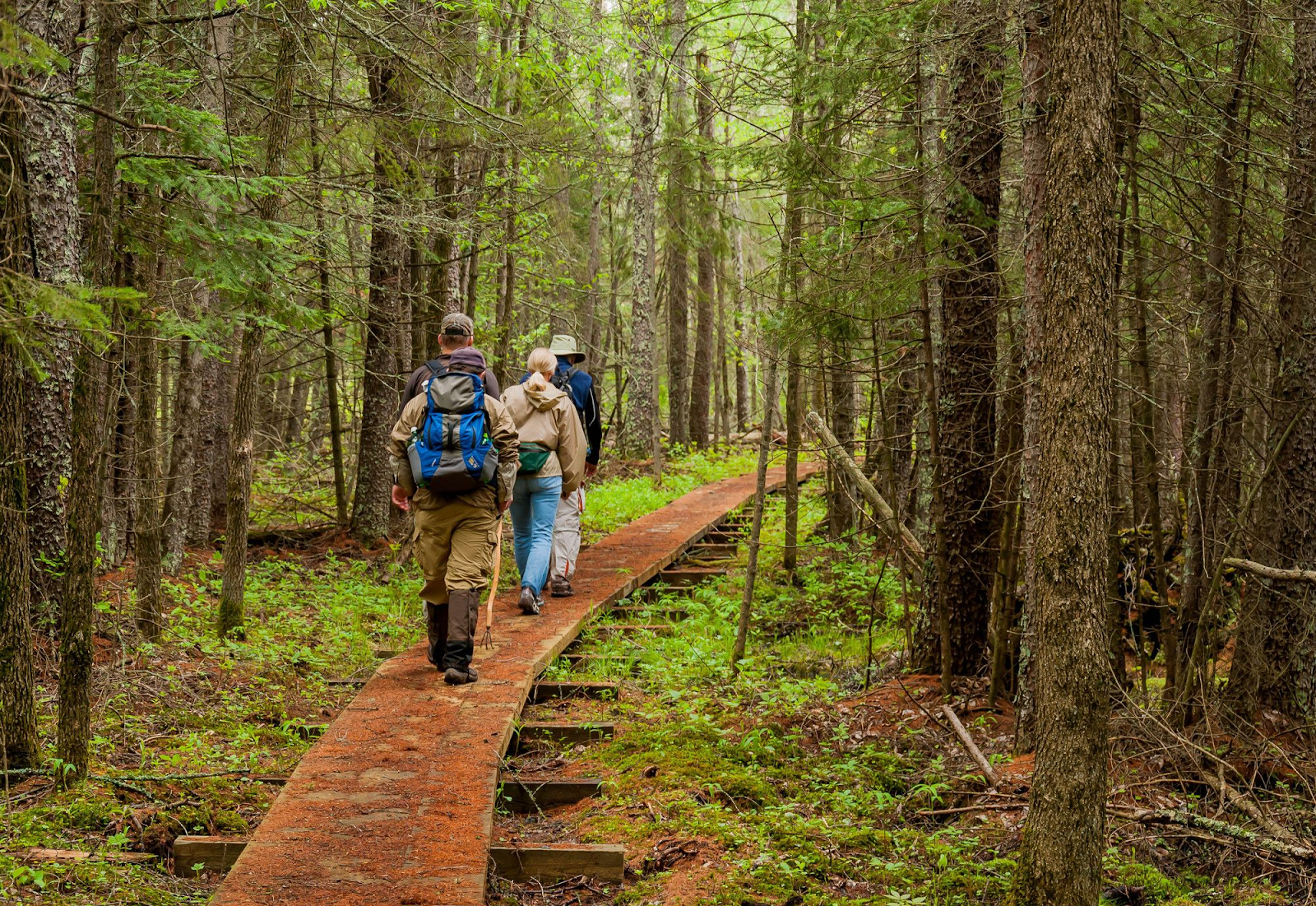
For decades, the Appalachian Trail symbolized the ultimate American hiking dream. Stretching over 2,190 miles from Georgia to Maine, it represented endurance, grit, and self-reliance. Completing it meant months in the wilderness, battling weather, injuries, and isolation.
But something has changed.
More Americans are asking different questions now:
- Is there a long-distance trail that isn’t all-or-nothing?
- Can hiking be meaningful without being punishing?
- Is there a trail that fits real life, not just extreme endurance goals?
These questions are leading thousands away from the Appalachian Trail and toward an ancient European route that feels surprisingly modern.
What Is the Camino de Santiago?
The Camino de Santiago is a network of historic walking routes across Spain, Portugal, and France that all lead to the city of Santiago de Compostela. For over a thousand years, people have walked these paths as pilgrims.
Today, the Camino has evolved into something broader:
- A cultural journey
- A personal reset
- A walking meditation
- A social experience
- A life-transition ritual
While it still retains spiritual roots, most modern walkers are not religious. They are teachers, retirees, burned-out professionals, recent graduates, and people searching for clarity rather than dogma.
The Popularity Shift: Camino vs Appalachian Trail
Participation Tells the Story
The Appalachian Trail sees millions of visitors each year, but only a small fraction attempt a thru-hike, and even fewer finish. Completion rates hover around 25%.
Meanwhile, the Camino de Santiago now welcomes over 400,000 registered pilgrims annually, with Americans making up one of the fastest-growing groups.
The difference isn’t marketing.
It’s design.
Why the Camino Is Winning Modern Travelers
1. You Don’t Have to Quit Your Life to Walk It
One of the biggest barriers to the Appalachian Trail is time. A full thru-hike takes five to six months. That’s unrealistic for most Americans.
The Camino, by contrast, is modular.
- Walk for 5 days
- Walk for 2 weeks
- Walk for a month
- Stop anytime
People fit the Camino into their lives instead of putting their lives on hold.
Real-life example:
A nurse from Texas walked just the last 100 kilometers of the Camino during her vacation. She didn’t feel like she “failed” by not walking the entire route. She felt proud—and came back the next year to walk more.
2. It’s Far More Accessible for Beginners
The Appalachian Trail demands physical preparation, gear knowledge, and mental toughness. Many hikers quit within weeks due to injury or exhaustion.
The Camino is challenging, but forgiving.
- Gentle elevation changes
- Well-marked paths
- Daily towns and services
- Luggage transport options
You don’t need to be an elite athlete. You just need to be willing to walk.
3. The Cost Difference Is Massive
A full Appalachian Trail thru-hike often costs $7,000–$10,000 when you factor in gear, food, town stops, and lost income.
On the Camino:
- Lodging: $10–$30 per night
- Meals: $10–$15
- Daily total: often under $60
In an era of inflation and financial anxiety, affordability matters more than ever.
Culture vs Wilderness: A Fundamental Difference
The Appalachian Trail is about escape from civilization.
The Camino is about moving through it.
Every day on the Camino, walkers pass:
- Medieval villages
- Vineyards and farms
- Churches older than the United States
- Local cafés filled with everyday life
Real-life moment:
An American traveler shared that a Spanish café owner noticed her limping and brought out ice and water without being asked. No words were exchanged—but the kindness stayed with her longer than any mountain view.
That kind of interaction simply doesn’t happen deep in the Appalachian backcountry.
Why the Camino Feels Less Lonely
Loneliness is one of the Appalachian Trail’s unspoken challenges. Long stretches of isolation can be mentally draining, especially for solo hikers.
The Camino offers solitude with safety.
- You walk alone during the day if you want
- You share meals at night
- You see familiar faces again and again
Community forms naturally—not through effort, but proximity.
Safety: A Huge Factor for Americans
Searches like “Is the Camino safe for solo travelers?” have surged in the U.S.
The answer is yes—overwhelmingly so.
Why?
- Clear signage
- Regular police presence
- Medical access
- Cultural respect for pilgrims
Solo women, older adults, and first-time international travelers consistently report feeling safer on the Camino than on many U.S. hiking routes.
Emotional and Mental Health Benefits
The Appalachian Trail builds resilience.
The Camino builds reflection.
Many Americans walk the Camino during life transitions:
- After divorce
- After burnout
- After loss
- Before a major decision
Walking day after day creates mental space. You think differently when your body is moving and your phone isn’t dominating your attention.
Real-life example:
A former corporate executive described the Camino as “therapy without walls.” No appointments. No diagnoses. Just movement, thought, and human connection.
Not Religious, Still Meaningful
One common misconception is that the Camino is only for religious people.
In reality:
- Many walkers are atheist or spiritual-but-not-religious
- Meaning comes from the journey, not doctrine
- Reflection is personal, not prescribed
The Camino meets people where they are—and that inclusivity fuels its growth.
Appalachian Trail vs Camino: A Side-by-Side Reality Check
Difficulty
- Appalachian: Extremely demanding
- Camino: Moderately challenging
Logistics
- Appalachian: Complex planning
- Camino: Simple and flexible
Experience
- Appalachian: Wilderness immersion
- Camino: Cultural immersion
Completion Pressure
- Appalachian: Finish or “fail”
- Camino: Every step counts
Neither trail is “better.”
But one fits modern life far more easily.
Why This Isn’t a Passing Trend
The Camino’s growth isn’t slowing—and here’s why:
- Governments continue investing in trail infrastructure
- Media coverage in the U.S. is increasing
- Word-of-mouth referrals are powerful
- Wellness and slow travel are long-term trends
The Appalachian Trail remains legendary, but legends don’t always scale. The Camino does.
Practical Advice for First-Time Camino Walkers
Best route for beginners
- Camino Francés
Best seasons
- Spring and fall
Fitness level
- Able to walk 8–10 miles a day
Packing philosophy
- Less is more
The Camino rewards simplicity.
10 Frequently Asked Questions (Trending in the U.S.)
1. Is the Camino de Santiago more popular than the Appalachian Trail?
Yes. In global participation and growth rate, the Camino now surpasses the Appalachian Trail.
2. How long does it take to walk the Camino?
Anywhere from a few days to five weeks, depending on route and pace.
3. Do Americans walk the Camino?
Yes. Americans are one of the fastest-growing groups of Camino walkers.
4. Is the Camino physically hard?
It’s challenging but manageable for most healthy adults.
5. Is the Camino expensive?
No. It’s significantly cheaper than most long-distance hikes or vacations.
6. Is the Camino safe for solo travelers?
Yes, including solo women and older adults.
7. Do you need hiking experience?
No prior hiking experience is required.
8. Is the Appalachian Trail still worth doing?
Absolutely—if extreme endurance and wilderness are your goals.
9. Is the Camino religious?
It can be, but most modern walkers do it for personal reasons.
10. Will the Camino keep growing in popularity?
All indicators suggest long-term growth, especially among Americans.
Final Thoughts: Why the Camino Has Truly Overtaken the Appalachian
The Appalachian Trail is about proving something.
The Camino de Santiago is about discovering something.
In a time when Americans are tired, overstimulated, and searching for meaning—not just achievement—the Camino offers a rare balance: challenge without punishment, solitude without loneliness, and movement with purpose.
That’s why this ancient country trail hasn’t just overtaken the Appalachian in popularity—it has quietly redefined what adventure looks like in the modern world.
–xxx–
Video Link-https://www.youtube.com/watch?v=CRaI_rTtRDo